Poland
GDAŃSK, SZTUTOWO (STUTTHOF) ,WARSAW, LUBLIN (MAJDANEK),
OŚWIĘCIM (AUSCHWITZ-BIRKENAU)
6 Days
All year
GDAŃSK
Theme: The beginning of World War II
Westerplatte is the place where World War II began on 1 September 1939. It was attacked by the German battleship Schleswig-Holstein. Polish soldiers defended the area for seven days despite being heavily outnumbered. Their resistance became a symbol of courage and determination. Today, Westerplatte is a memorial site with ruins and monuments. It reminds visitors of the beginning of the war and the Polish defense.
The Museum of the Second World War presents the history of the war from a global and Polish perspective. It explains the causes, course, and consequences of the conflict. The exhibitions show the daily life of civilians, soldiers, and prisoners. Many original objects, photos, and multimedia displays are used. The museum helps visitors understand how the war affected ordinary people. It is one of the most modern historical museums in Europe.
Overnight: Gdańsk
SZTUTOWO (STUTTHOF) → WARSAW
Theme: The system of concentration camps
Stutthof was the first Nazi German concentration camp established outside Germany. It operated from 1939 until 1945. Prisoners came from many countries and were forced to work in very hard conditions. Many people died due to hunger, disease, and executions. Today, the camp is a museum and memorial site. It preserves original buildings and commemorates the victims.
Overnight: Warsaw
WARSAW
Theme: Occupation and resistance
The Warsaw Uprising Museum is dedicated to the uprising of 1944. It tells the story of Polish resistance against German occupation. The museum presents the lives of soldiers and civilians during the fighting. Interactive exhibitions help visitors understand the atmosphere of wartime Warsaw. The museum also shows the destruction of the city after the uprising failed. It is an important place of national memory.
The Monument to the Ghetto Heroes commemorates the Jewish fighters of the Warsaw Ghetto Uprising in 1943. It honors their courage and resistance against Nazi forces. The monument stands near the former ghetto area. It is an important symbol of remembrance of Jewish victims. Many official ceremonies take place there. The monument reminds visitors of the Holocaust and resistance.
Fragments of the Warsaw Ghetto walls are still visible in several places in the city. They show how the ghetto was separated from the rest of Warsaw. Jewish people were forced to live there in very difficult conditions. The walls are a silent witness to the persecution during the war. Today, they serve as historical evidence. They help people remember the tragedy of the ghetto.
Overnight: Warsaw
WARSAW
Theme: Occupation and resistance
The POLIN Museum of the History of Polish Jews is located on the site of the former Warsaw Ghetto and tells the story of over 1,000 years of Jewish life in Poland. The museum’s exhibitions include interactive displays, multimedia presentations, and historical artifacts that show both everyday life and the tragedies faced by Jews during the Holocaust. Visitors can learn about Jewish culture, traditions, and the resilience of the community throughout history. The museum also emphasizes the importance of tolerance, understanding, and remembering the past. POLIN is both educational and moving, making it a central place for exploring Warsaw’s complex history.
4-hour tour following the footsteps of scouts who fought in the occupied city. Experience this history during a guided walk. The Gray Ranks (Szare Szeregi in Polish) were a secret underground scouting organization in Poland during World War II. They were made up mainly of young scouts (boys and girls) who resisted the German occupation. Members carried out sabotage, intelligence work, and even fought in uprisings, including the Warsaw Uprising of 1944. They combined the values of scouting—like discipline, courage, and teamwork—with underground resistance activities.
Pawiak Prison Museum was once a Gestapo prison where thousands of Polish citizens were imprisoned, tortured, and executed during World War II. Today, it stands as a memorial to the people who suffered and died there, preserving original cells, documents, and exhibits about the prisoners’ lives. The museum shows the harsh realities of life under Nazi occupation and the courage of those who resisted. Visitors can walk through the historic site and reflect on the human cost of war and oppression. Pawiak serves as a solemn reminder of Warsaw’s dark past and the resilience of its people.
Overnight: Warsaw
LUBLIN (MAJDANEK)
Theme: Concentration camps
Majdanek was a Nazi German concentration and extermination camp. It is one of the best-preserved camps in Europe. Prisoners were held there in harsh conditions and forced to work. Many people lost their lives during the war. Today, the site is a museum and place of remembrance. Visitors can see original barracks, gas chambers, and memorials.
Warsaw 44 depicts the courage and sacrifice of young Polish fighters during the Warsaw Uprising of 1944. Amid love, friendship, and war, they struggle to defend their city against overwhelming odds.
Kamienie na szaniec tells the true story of a group of young Polish scouts who bravely resist Nazi occupation during World War II. Their courage, friendship, and sacrifice highlight the spirit of youth fighting for freedom.
The Pianist tells the true story of Władysław Szpilman, a Polish-Jewish pianist struggling to survive the horrors of Nazi-occupied Warsaw during World War II. Amid loss and destruction, his music and determination keep his hope alive.
Overnight: Lublin or nearby
OŚWIĘCIM (AUSCHWITZ-BIRKENAU)
Theme: The Holocaust and genocide
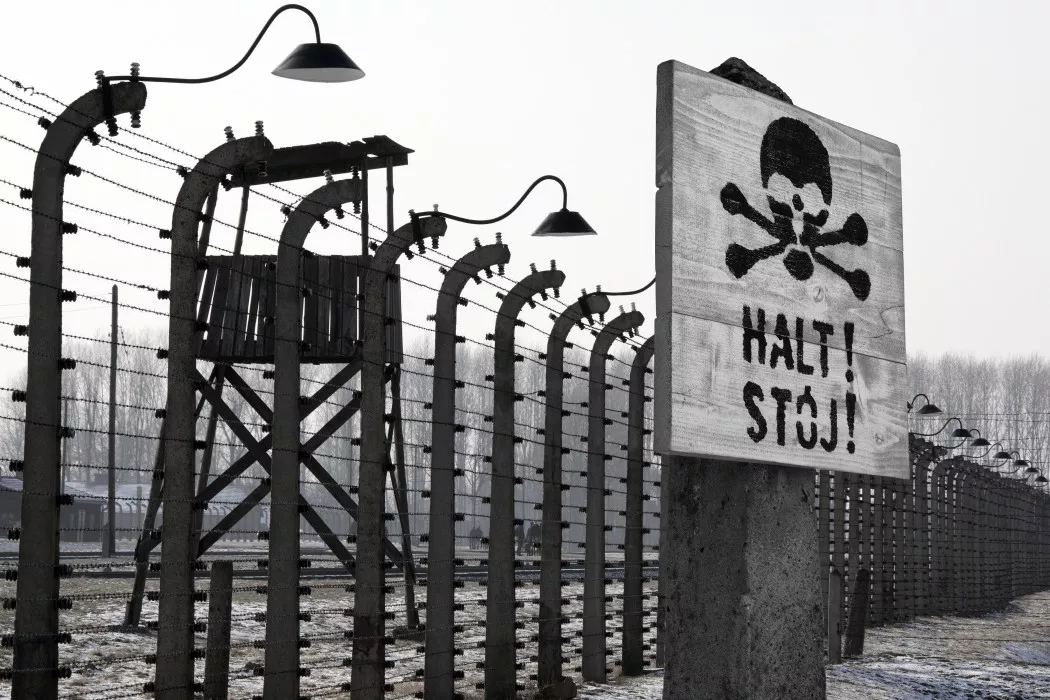
Auschwitz I was the first and main camp of the Auschwitz complex. It served as an administrative center of the camp system. Prisoners from many countries were held there. The camp shows the scale of Nazi crimes. Today, it is a museum with exhibitions in former buildings. It educates visitors about the Holocaust and World War II.
Auschwitz II–Birkenau was the largest extermination camp built by Nazi Germany. Most victims of Auschwitz were murdered there. The camp area is very large and includes ruins of barracks and railway tracks. Birkenau symbolizes the Holocaust and genocide. Today, it is a memorial site visited by people from all over the world. It serves as a warning against hatred and intolerance.